

Introduction: Why the Welding Torch Matters More Than Many Expect
In cutting and welding operations, much attention is often placed on gas type, regulators, or overall kit configuration. However, the welding torch itself plays a decisive role in how effectively gas is converted into controlled heat.
For industrial users and B2B buyers, understanding welding torch design is essential for evaluating performance, safety, and long-term usability within a cutting & welding kit.
The Welding Torch as the Control Interface
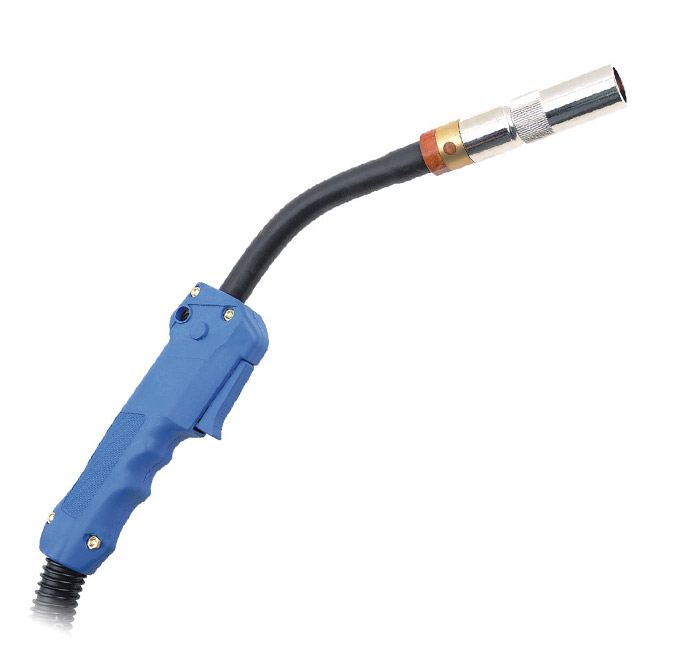
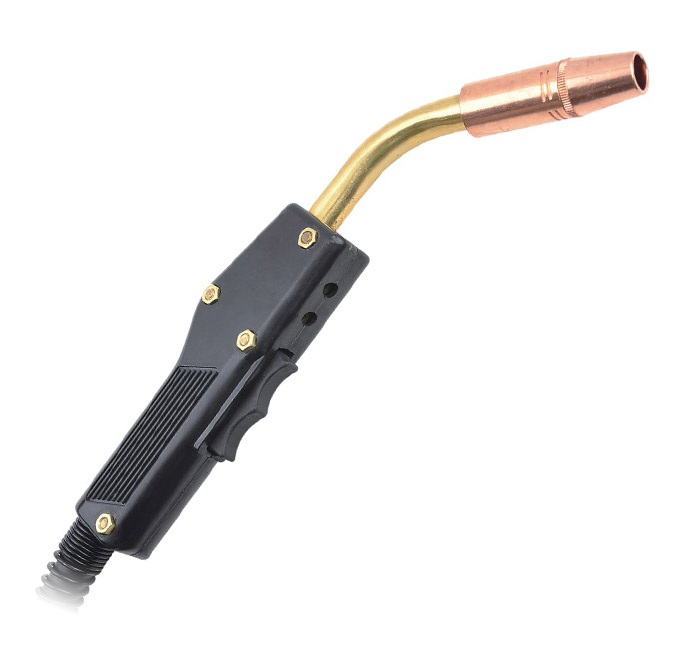
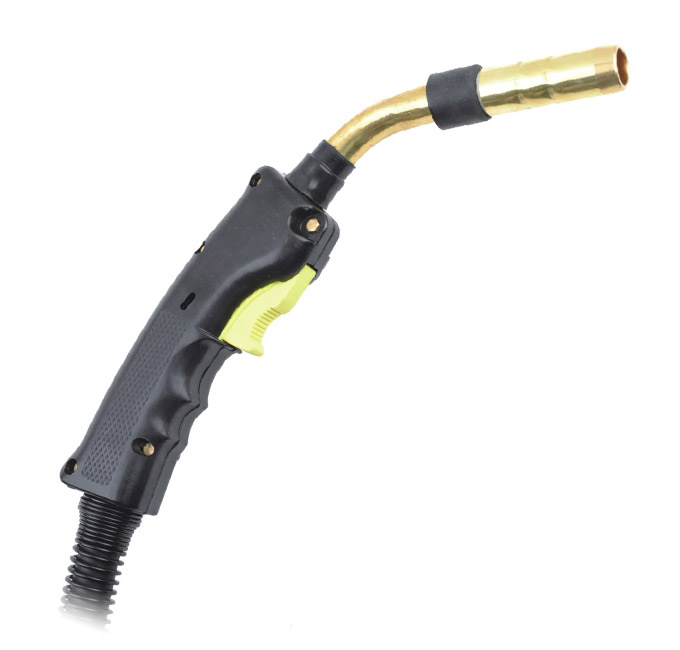
The welding torch functions as the primary interface between the operator and the gas system. It is where gas flow, ignition, and flame adjustment are physically controlled.
Ergonomic handle design, valve responsiveness, and trigger placement directly affect operator comfort and precision, especially during extended welding or cutting tasks. In industrial environments, poor torch control often leads to inconsistent results and operator fatigue.
Internal Gas Flow and Mixing Structure
Inside the welding torch, oxygen and fuel gas are guided through separate channels before mixing at controlled ratios. This internal structure determines flame stability and combustion efficiency.
Well-designed gas channels ensure smooth flow and consistent mixing, reducing turbulence that can cause unstable flames or uneven heat distribution. For precision welding tasks, this internal structure is just as important as external specifications.
Nozzle Geometry and Heat Concentration
The nozzle at the front of the welding torch shapes the flame and concentrates heat onto the workpiece. Different nozzle geometries influence flame length, focus, and temperature distribution.
In cutting & welding kits, interchangeable nozzles allow the same torch body to be used across multiple applications. Correct nozzle matching improves cutting accuracy and weld quality while reducing gas consumption.
Material Selection and Thermal Resistance
Welding torches are exposed to continuous heat, pressure changes, and mechanical stress. Brass, copper alloys, and heat-resistant polymers are commonly used to balance durability and heat dissipation.
Material quality directly impacts service life and safety. Inferior materials may deform under heat, affecting gas flow and increasing the risk of leakage or malfunction during operation.
Safety Features Integrated into Torch Design
Modern welding torches incorporate safety-focused design elements such as reliable valve seals, secure hose connections, and compatibility with flashback arrestors.
These features help prevent gas backflow and unintended ignition, supporting safer operation in workshops, construction sites, and training environments where multiple users may handle the same equipment.
Role of the Welding Torch in Different Industrial Applications
Welding torches are used across metal fabrication, equipment maintenance, automotive repair, and infrastructure projects. Each application places different demands on flame control, accessibility, and durability.
A properly designed welding torch allows operators to transition smoothly between welding and cutting tasks, improving flexibility without changing the entire system.
What B2B Buyers Should Look for in Welding Torch Quality
For distributors and industrial buyers, evaluating welding torch quality involves more than visual inspection. Key indicators include machining precision, valve smoothness, nozzle compatibility, and material consistency.
A high-quality welding torch contributes directly to the overall reliability of a cutting & welding kit, making it a critical component in OEM and bulk procurement decisions.
Conclusion: Welding Torch Design Shapes Real-World Performance
Within a cutting & welding kit, the welding torch is where system design meets real-world application. Its structure, materials, and internal flow design determine how effectively gas energy is translated into controlled heat.
By understanding welding torch design principles, industrial users and B2B buyers can better assess product quality and select equipment that delivers consistent, safe, and efficient performance.