

Introduction: Welding Torch as a Core Welding Component
In industrial gas welding operations, the welding torch is the primary tool responsible for delivering controlled heat to the workpiece. While gas supply and regulation systems manage pressure and flow, the welding torch determines how effectively that energy is applied during welding.
For industrial users and B2B buyers, welding quality, operational safety, and process stability are closely linked to welding torch design and construction.
Understanding the Basic Structure of a Welding Torch
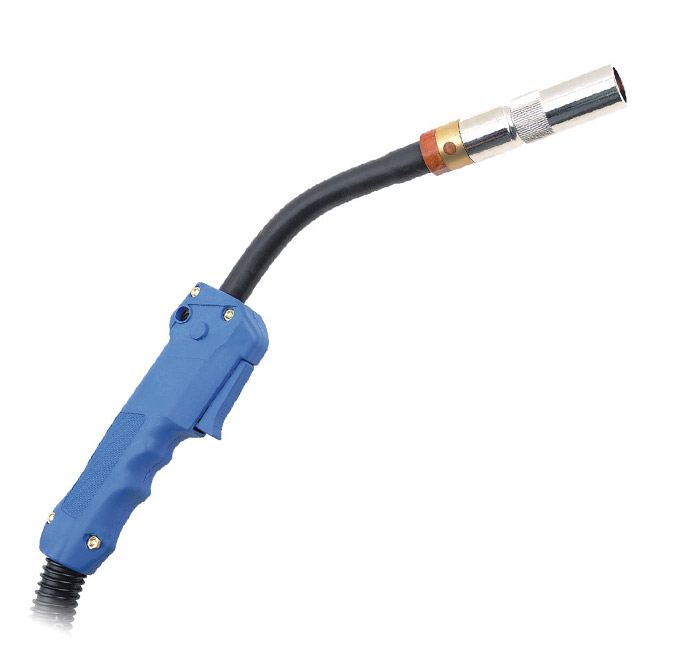
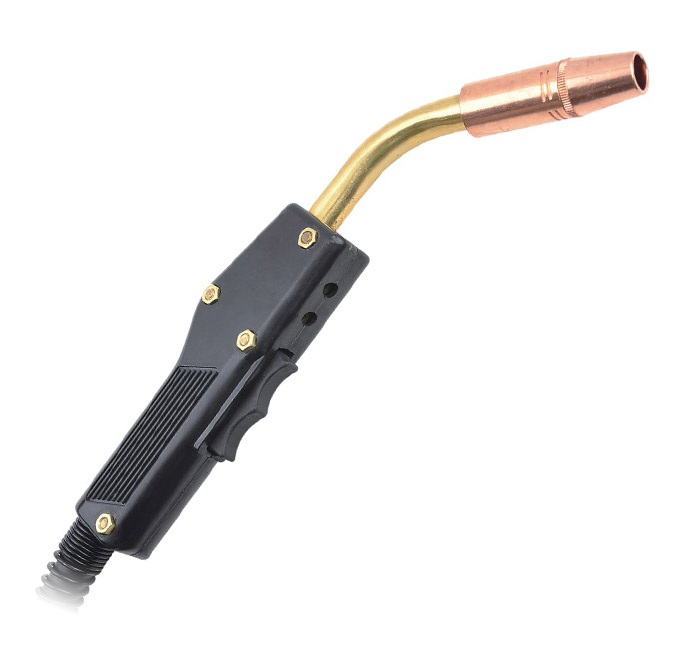
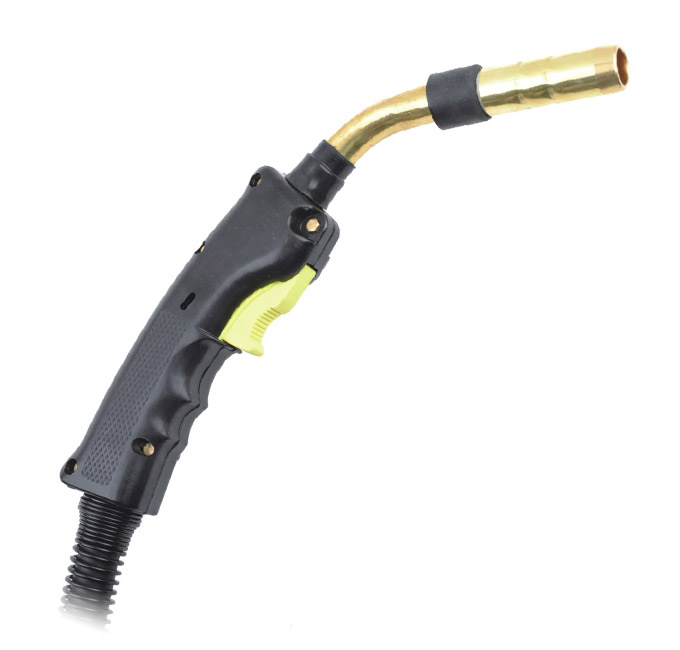
An industrial welding torch consists of several functional sections working together to ensure stable flame output. These include the handle assembly, internal gas channels, control valves, torch neck, and nozzle connection.
Each part must be precisely manufactured to maintain smooth gas flow and reliable flame behavior during continuous welding tasks.
How Torch Structure Influences Welding Performance
Gas Flow Stability and Flame Control
Internal gas channels inside the welding torch guide oxygen and fuel gas toward the nozzle. Proper channel alignment and surface finish reduce turbulence and allow gases to mix smoothly before ignition.
Stable gas flow results in consistent flame characteristics, which are essential for producing uniform weld beads and minimizing defects.
Operator Control and Working Precision
The welding torch acts as a direct extension of the operator’s hand. Handle shape, grip texture, and valve placement affect how accurately the operator can control flame length and heat input.
Good ergonomic design reduces fatigue during long welding sessions and supports steady movement, improving weld consistency across repeated operations.
Material Selection and Heat Resistance
Industrial welding torches are typically manufactured using brass, copper alloys, and heat-resistant polymer components. These materials are selected to balance thermal conductivity, strength, and resistance to deformation.
Effective heat dissipation prevents internal damage and ensures that gas flow characteristics remain stable even during prolonged welding.
Safety Considerations in Welding Torch Design
Safety-focused design features play an important role in industrial welding torches. Secure hose connections, reliable valve sealing, and compatibility with external safety devices help reduce the risk of gas leakage and backfire.
In workshops, construction sites, and training environments, these design elements support safer daily operation and help meet workplace safety requirements.
Industrial Applications Requiring Reliable Welding Torches
Welding torches are widely used in metal fabrication, equipment maintenance, construction repair, automotive workshops, and vocational training facilities. Each application places different demands on torch durability, maneuverability, and flame control.
A well-designed welding torch supports a wide range of welding tasks without frequent adjustment or replacement.
What B2B Buyers Should Evaluate When Sourcing Welding Torches
For distributors and industrial procurement teams, evaluating welding torches involves more than appearance or price. Key factors include manufacturing consistency, material quality, gas control reliability, and compatibility with existing welding systems.
Reliable welding torches help reduce downtime, simplify operator training, and support stable performance across multiple job sites.
Conclusion: Welding Torch Design Defines Welding Stability
In industrial gas welding systems, the welding torch plays a decisive role in determining welding quality, safety, and efficiency. Structural design, material selection, and ergonomic considerations all contribute to how reliably the torch performs in real working conditions.
By understanding welding torch structure and its impact on welding performance, B2B buyers can make informed sourcing decisions that support long-term operational stability.